Change is an integral part of growth, and we always strive for dynamism and continuous improvement. That’s why we are thrilled to announce that Karol Gajos is joining Code & Pepper as our new CEO!
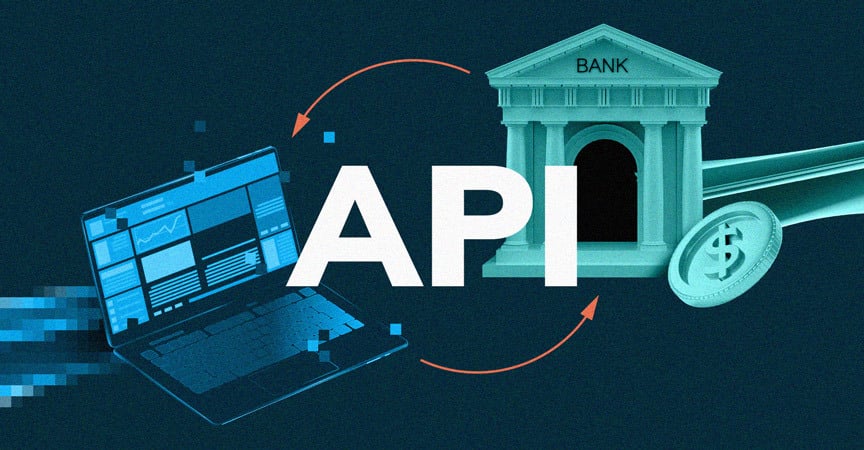
Open banking has revolutionized the financial sector, empowering customers to manage their finances through third-party apps by securely sharing their banking data. At the heart of this digital revolution are open banking APIs. These APIs (Application Programming Interfaces) serve as the backbone of open banking, enabling seamless communication between banks and third-party financial service providers.
In today’s landscape, it’s not enough to be on time. You need to be ahead of time. Financial services are outdoing each other to make up for years of brick-and-mortar arrears. They did it. Now, they are innovating. The new and exciting trend in design is a great example of that philosophy. Meet Anticipatory Design – the way to simplify the user’s life by reducing obstacles and enhancing user experience.
With current market saturation, companies need something more than just a product and technology to make it happen. They need a strategy. Nowadays, everyone with a skill can create an app; it’s not a problem. The real challenge comes from securing the “what’s next” phase. How to run a successful discovery phase? How to use it to draw conclusions for fintech products? Why is UX important in the process, even necessary but often missed? Dive into the article for this and a lot more.
Sustainable development is becoming a key priority in the global economy, and mobilizing capital for green projects presents both challenges and vast opportunities. As the world strives to transition toward a more eco-friendly path, innovative financial instruments such as green bonds and sustainable funds are playing a crucial role in accelerating this shift. In this article, we explore how investors, governments, and financial institutions can work together to promote sustainable finance while addressing the challenges of regulation and access to funding.
The Fiat Republic is a Banking-as-a-Service (BaaS) company, founded in London. It’s focused on linking the blockchain platforms with global and local banking transfer networks. The ultimate goal is to change the optics of cryptocurrencies in brick-and-mortar financial circles while seeking opportunities to cooperate and create joined ventures. Therefore the “Song of Fire and Ice” reference seems fitting.
In today’s rapidly evolvingFinTech landscape, delivering personalized financial insights is a must-have feature for any forward-thinking FinTech platform. Consumers increasingly expect tailored experiences, whether managing day-to-day expenses, planning for major life events, or building long-term investment strategies. Fintech companies that can provide meaningful, personalized financial insights will enhance customer satisfaction and foster trust and loyalty. In this blog post, we’ll explore how fintech companies can successfully implement personalized financial insights features, the technologies driving this transformation, and the benefits for users and businesses.
The company’s tagline says it all: “Your bank account should do more than hold your money. Now it can.” Mercury aims at providing professional business banking services that incorporate a vast array of possibilities. It enables companies to manage their finances at the level of a comfortable dashboard, having it all at managers’ fingertips. The idea targets startups but it can be useful to all that need quick and seamless banking services.
The digital age has revolutionized the financial industry, making the world smaller and investment opportunities more accessible than ever before. Cross-border investments, once reserved for large institutional investors, are now within reach for individual investors through sophisticated applications. These platforms empower users to diversify their portfolios internationally, capitalize on emerging markets, and mitigate risks associated with local economic fluctuations. In this blog post, we’ll explore the landscape of cross-border investment applications, highlight some successful examples, and delve into the steps involved in building such a platform.
The gig economy, where armies of people are forced to work freelance or side-employment has also a good side. One is free time that can be dispersed between multiple organizations, filling the blanks. When it comes to healthcare, there are companies that nail it. One of them is Florence – a UK-based company with the mission of helping those who care.
In this article, we explore how these new regulations will affect fintech companies, fostering innovation while enforcing global oversight. Is the fintech industry ready for the regulatory changes that the Convention brings to AI governance?
In the rapidly evolving world of healthcare, technology continues to play a pivotal role in revolutionizing patient care and outcomes. Among the most promising advancements is the integration of AI-driven diagnostics into health tech applications. As a health tech company owner, understanding how to implement AI-driven diagnostics effectively can position your platform at the forefront of the industry, providing cutting-edge solutions that not only improve patient outcomes but also streamline healthcare processes. In this comprehensive guide, we’ll explore the importance of AI-driven diagnostics, the benefits it offers, the key considerations for implementation, and best practices to ensure success.
The world of clinical research requires innovation, precision, and funding. Lindus Health seems to have it all. The company runs clinical trials and health research for biotech and healthtech startups, so patients can benefit from new treatments. Their software platform lets participants in clinical trials and health research take part from own home, rather than going to healthcare facilities. It’s also known for their recent development: all-in-one medical device CRO.
The title pretty much says it all. Pear Bio is a company that uses computer vision to help the medical sector and doctors fight cancer. The technology is based on computer vision. Combined with analysis of the patient’s microtumors, Pear Bio is able to recreate core parts of the human tumor microenvironment for accurate lab testing. It’s medtech at its best.
Cross-border lending is becoming increasingly relevant, but the process is often hampered by regulatory discrepancies, challenges in identity verification, and the complexity of assessing creditworthiness across borders. A game-changing solution to these issues is emerging: passportable financial identities. By enabling seamless access to reliable financial information across countries, this innovation has the potential to transform the industry, making cross-border lending safer and more efficient.
Experience. A buzzword that means everything and nothing. A way to express almost every single feature and application on the market. But what if you would wrap an entire product around this word? And maybe actually deliver value to the market?
The healthcare industry suffers from many challenges. Understaffed, with limited budgets and piling up challenges of other nature, the sector is looking for a breakthrough. Well, there might be one but not in the previously mentioned areas. Meet Ecomedic – a company founded to guide medical professionals through sustainability issues.
In an increasingly globalized world, financial transactions know no borders. Customers, businesses, and financial institutions are transacting in multiple currencies like never before. As a fintech company owner, one of the most critical features your application must offer is seamless multi-currency support. But implementing this capability is far from straightforward. It requires careful planning, the right technology stack, and an understanding of regulatory requirements.
In this blog post, we’ll delve into the key considerations and best practices for building multi-currency support into your fintech application. Whether you’re starting from scratch or upgrading an existing platform, this guide will provide actionable insights to ensure your solution meets the demands of today’s global economy.
With increasing product market saturation, innovations are welcomed. Especially when it comes to user experience (UX), a factor not many companies take for granted nowadays. It speaks volumes about what little details can tip the scales for a digital product. The Baader-Meinhof effect is something you can overlook at first glance but it’s essential when it comes to users and the app’s performance.
Central Bank Digital Currencies (CBDCs) are gaining traction as the future of global financial systems. As this field continues to transform at an unprecedented pace, innovative companies play a pivotal role, assisting central banks in testing, implementing, and popularizing these modern forms of currency. What benefits can these companies bring to the development of CBDCs, and what new approaches might they introduce in managing digital assets?
Discover how collaboration between these forward-thinking firms and central banks could redefine the future of payments worldwide.
Building an application in the fintech and healthtech industries is a complex process influenced by numerous factors. The development timeline for such applications can vary widely based on the project’s scope, complexity, and industry-specific needs. Understanding these factors is crucial for managing expectations, allocating resources effectively, and ensuring a successful product launch. In this blog post, we explore the key factors that influence the time required to build an application in the fintech and healthtech sectors.
In today’s highly competitive industries, customer choices are often determined by nuances. Particularly in sectors where technology evolves rapidly, such as fintech, understanding and addressing user needs is invaluable. Empathy, as a cornerstone of humanising fintech, enhances customer experiences and revolutionises the design of digital products.
In this article, we will discuss how an empathetic approach leads to greater customer satisfaction, loyalty, and improved business outcomes.
In the competitive landscapes of fintech and healthtech, developing products that stand out and meet user needs is more challenging than ever. A pivotal strategy to achieve this is data-driven product development. By leveraging analytics, companies can make informed design decisions that enhance userexperience and ensure their products’ success and relevance. This blog post delves into the importance of data-driven product development and how to harness analytics effectively to inform design decisions.
The fintech industry is at the forefront of innovation, reshaping how we manage and interact with our finances. From mobile banking and investment apps to blockchain and cryptocurrency platforms, fintech solutions are becoming integral to our daily lives. However, developing apps in this dynamic and highly regulated industry presents unique challenges that developers must navigate. In this blog post, we will explore the biggest challenges in fintech app development directly from a developer’s standpoint, and discuss strategies to overcome them.
Superfluid is a London-based fintech company that focuses on revolutionizing personal finance. The company developed an Ethereum-based money-streaming protocol that automates recurring transactions like subscriptions, salaries, rewards, and any composable stream of value. Let’s dive a little deeper and see how your company can get inspired by this case.
This website stores cookies on your computer. These cookies are used to improve your website experience and provide more personalised services to you, both on this website and through other media. To find out more about the cookies we use, see our Cookie Policy.